

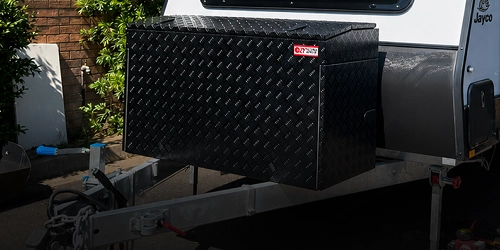
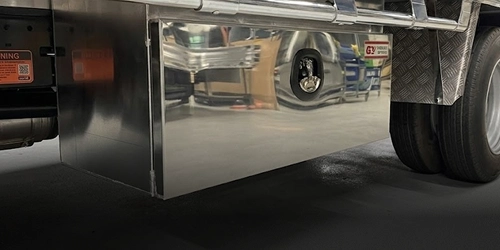
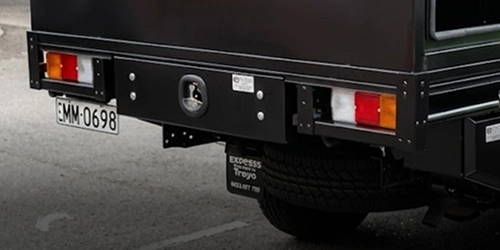
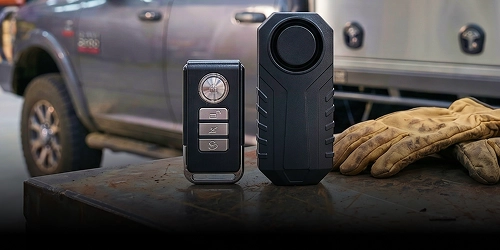
Toolbox Maintenance: How to Care for Your Aluminium Toolbox?
This comprehensive guide is designed to help you protect your toolbox and keep it working the way it should. While aluminum is naturally rust-resistant, neglect, dirt, and moisture can still shorten its lifespan over time. A well-maintained truck tool box does more than look good. It supports daily work, keeps tools and gear secure, and helps prevent rust formation before it starts. With the right upkeep habits, maintenance goes a long way toward preserving both functionality and appearance. Simple, consistent care can extend the life of your toolbox and ensure it remains in optimal condition through changing weather, road grime, and regular use.
Why Looking After Your Aluminium Tool box Is Worth the Effort?
Looking after your aluminum toolbox is not just about appearances. Regular care helps maintain its functionality, protects the surface of the aluminum, and reduces long-term damage caused by dirt and moisture. Even though aluminum naturally resists corrosion, poor habits can still lead to oxidation, wear, and loose fittings that affect daily use. When a truck tool box is well-maintained, tools stay organized, locks operate smoothly, and the box remains reliable under heavy use. Taking time to clean the interior and exterior also helps you spot early signs of damage, making repairs easier and far less costly over time.
Top 5 Maintenance Tips for Long-Lasting Aluminium Tool box
Keep your aluminium toolbox looking great and performing well with these simple care and maintenance tips steps. Regular cleaning and proper maintenance will prevent oxidation, corrosion, and keep your toolbox in top condition for years to come.
1. Regular Cleaning
A consistent cleaning process is the foundation of good toolbox care. Start by removing loose dirt, dust, and road grime from both the interior and exterior surfaces. Using soap and water or mild soapy water helps break down grease without harming the metal. A soft cloth or damp cloth works best to remove dirt without scratching. Always clean the interior to stop dirt and debris from building up around tools and gear. After washing, dry the box thoroughly and allow it to air dry so moisture does not linger inside the box.
Materials Needed:
- Mild detergent (dish soap)
- Warm water
- Soft sponge or cloth
- Microfiber towel
Steps:
- Rinse Off Dirt: Use clean water to rinse off dust, dirt, and grime.
- Wash with Soap: Mix warm water with a small amount of dish soap. Use a soft sponge or cloth to clean the surface.
- Rinse Thoroughly: Rinse with clean water to remove any soap residue.
- Dry Completely: Wipe down with a microfiber towel to prevent water spots and moisture buildup.
Tip: Clean your toolbox regularly, especially after exposure to salt, mud, or harsh environments.
2. Removing Oxidation (White Chalky Residue)
If you notice white, powdery spots—this is oxidation. Follow these steps to remove it:
Materials Needed:
- White vinegar or lemon juice
- Soft-bristle brush or non-abrasive scrubbing pad
- Clean water
- Microfiber cloth
Steps:
- Apply Vinegar or Lemon Juice: Spray directly onto the oxidized areas.
- Let It Sit: Leave for 5-10 minutes to loosen the oxidation.
- Gently Scrub: Use a soft brush or pad to scrub in circular motions.
- Rinse and Dry: Wash off with water and dry thoroughly with a microfiber cloth.
Note: For stubborn oxidation, repeat the process or use an aluminium polish.
3. Polishing for a Shine
Polishing plays an important role in cleaning and polishing aluminum while adding a protective layer. Use an aluminum cleaner or polish with a soft cloth and polish with a soft cloth using circular motions. This approach keeps the surface smooth and helps prevent rust from forming later. Focus on the exterior panels first, then lightly polish areas that see the most exposure. Avoid harsh chemicals, as they can strip protective finishes. A polished, well-maintained toolbox not only looks professional but also improves resistance to corrosion and helps prolong its lifespan.
Materials Needed:
- Aluminium polish or metal polish
- Soft, clean cloth
- Buffing cloth
Steps:
- Apply Polish: Dab a small amount onto a cloth and rub onto the surface in circular motions.
- Buff the Surface: Use a clean, dry cloth to buff the area to a shiny finish.
- Repeat as Needed: Apply additional coats for a deeper shine.
Tip: Polishing not only improves appearance but also adds a protective layer against oxidation.
4. Keep the Hinges and Locks Lubricated
Hinges and locks experience constant movement, so keeping them operating smoothly is essential. Periodically inspect these parts for signs of wear, stiffness, or buildup. Clean away dirt and moisture before applying a light lubricant suited for metal components. After lubrication, check and tighten any loose screws to maintain alignment. This small habit supports maintaining its functionality and prevents long-term mechanical issues. Smooth locks protect tools inside the box and reduce strain on mounting points, ensuring the toolbox remains reliable during everyday use and transport.
Maintenance steps:
- Spray hinges, latches, and locks with silicone lubricant or WD-40
- Wipe away excess to prevent dust buildup
- Check for loose screws or fittings and tighten them as needed
5. Preventing Future Oxidation
Preventive care focuses on keeping the box clean and protected between washes. Applying a protective coating or sealant helps shield the aluminum surface from moisture and contaminants. Always dry the box after rain and store the vehicle under cover when possible. Box regularly inspections every few months help catch early changes before they become serious. Keeping dirt and moisture under control is key to preventing rust and preserving the toolbox’s resistance to corrosion. These practical tips help extend the life of your equipment and keep it looking professional.
- Apply a Protective Coating: Use a clear sealant, wax, or corrosion inhibitor designed for aluminium.
- Keep It Dry: Always dry your toolbox after washing or exposure to rain.
- Store in a Covered Area: When possible, park your ute or truck under cover to reduce exposure to harsh elements.
- Regular Maintenance: Check for signs of oxidation monthly and clean as needed.
Troubleshooting Common Issues
Some issues require closer attention to prevent lasting damage. Black spots may signal galvanic corrosion from contact with steel components, and addressing them quickly helps prevent rust spread. Clean the affected area and reapply protection to reduce further reaction. Pitting or deep marks should be smoothed carefully before polishing to restore protection. Regular upkeep allows you to spot signs of damage early and protect your toolbox before problems worsen. A well-maintained toolbox remains dependable, clean, and ready for daily work demands.
- Black Spots: This may indicate galvanic corrosion, often caused by contact with steel. Clean the area and apply a protective coating.
- Pitting: If deep corrosion occurs, light sanding with fine-grit sandpaper may be needed before polishing.
Need Help? If you have any questions about caring for your aluminium toolbox, contact our support team. We’re here to help you keep your gear in the best condition possible!
FAQs
How often should I inspect my aluminium toolbox for issues?
Inspecting your aluminum toolbox every few months is a smart habit, especially if it is exposed to heavy use or outdoor conditions. Regular checks help you catch signs of wear, loose fittings, or early corrosion before they affect performance. Look closely at hinges, locks, and mounting points, and check inside the box for trapped dirt and moisture. Consistent inspections support long-term durability and help ensure your toolbox remains safe, secure, and functional throughout its working life.
Can I use a pressure washer to clean my aluminium toolbox?
A pressure washer can be used carefully, but it should not be your primary cleaning method. High pressure can force water into seals, locks, and joints, increasing the risk of internal moisture buildup. If you do use one, keep the pressure low and maintain distance from hinges and openings. Hand cleaning with a soft cloth and mild cleaners gives you more control and reduces the chance of damage while still delivering effective results.
What type of polish should I avoid on aluminium?
Avoid using abrasive or heavy-duty metal polishes that are designed for steel or chrome surfaces. These products can scratch aluminum, damage protective coatings, and reduce long-term corrosion resistance. Polishes containing harsh chemicals should also be avoided, as they may discolor the surface or weaken seals. Always choose products specifically labeled for aluminum and apply them gently. Proper product selection helps maintain a clean finish without compromising the toolbox’s durability or appearance.
Author: Dean Peechiari Date Posted: 4 February 2025