

Slide On Campers vs Camper Toolboxes: How to Create the Perfect Camping Setup?
There’s no single “right” way to set up a ute for camping. It depends on how you travel. Some want comfort, something closer to a small home on wheels. Others keep it simple. Lighter. More adaptable. That’s where the decision between slide on ute campers and camper toolboxes starts to matter. Each option brings a different balance of space, storage, and flexibility. And it’s not always obvious at first glance. The better setup is the one that fits your habits, your routes, and how much gear you actually carry out there.
What are Slide On Campers?
Slide on ute campers are self-contained units that sit directly on the tray or flatbed of a ute. They’re designed to fit within the width of the vehicle, often sliding into position between the wheel wells and locking securely at the rear. Inside, you’ll usually find sleeping space, a small kitchen, water tank, and storage. Some models even include a fridge and power systems. They add comfort, no doubt. But they also add camper weight, which affects performance. Many slide on campers for sale in Sydney are built to handle Australia’s toughest conditions, especially for off-road touring.
What are Camper Toolboxes?
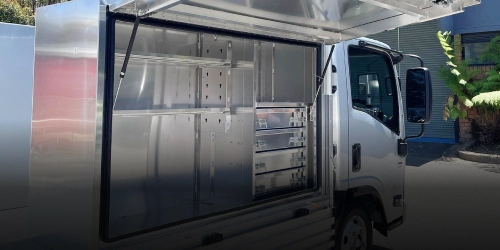
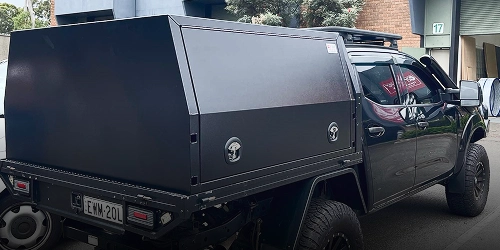
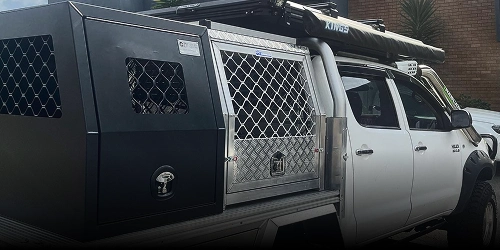
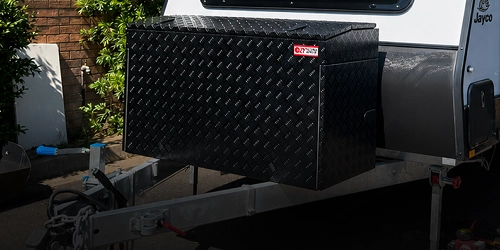
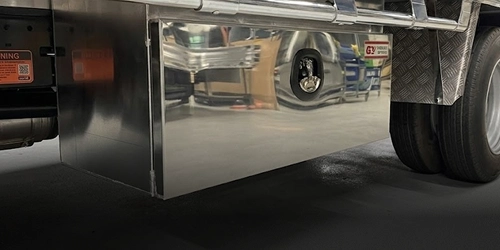
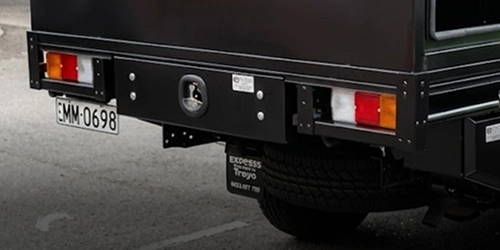
Camper toolboxes take a different approach. Instead of a full living module, they focus on organised storage and practical camping setups built around a tray or canopy system. Usually made from aluminium or steel, these storage boxes are designed to fit around the wheel arches and maximise space available without overloading the vehicle.
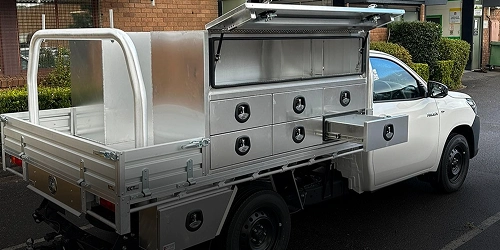
You can install drawers, fridge slides, water tanks, and mount essential tools and equipment in a secure, lockable layout. It’s a more compact, convenient solution. Not luxury, but efficient. For many, especially weekend travellers, it becomes a reliable setup that still feels purpose-built.
Slide-On Campers vs Camper Toolboxes: Key Differences
The difference comes down to how you camp. Comfort versus flexibility. Structure versus modular design. Each setup serves a purpose, but they don’t behave the same once you’re on the road.
Comfort and Living Space
Slide-in campers offer a more complete living environment. You get shelter, insulation, and a defined space to rest, cook, and reset after long drives. It feels structured. Enclosed. Camper toolboxes, on the other hand, rely on external setups like awnings or tents. Less comfort, yes. But also less bulk. You’re trading space for mobility.
Storage and Organization
Tool boxes and under-tray systems are built for order. Everything has a position. Drawers, compartments, lock systems, all designed to keep your gear secure and easy to access. Slide-on campers still offer storage, but it’s integrated into the living area. Not always as flexible. Not always as accessible.
Cost Comparison
There’s a clear gap here. Slide on campers for sale can be a serious investment, especially premium models like Alaskan designs. Camper toolboxes are generally more affordable. You can build the setup gradually. Add components over time. It spreads the cost, which matters for many buyers.
Vehicle Performance
Weight changes everything. A full slide in camper adds significant total weight, affecting fuel use, handling, and suspension strain. Toolbox setups are usually lightweight in comparison. That means better balance, improved wheel control, and less impact on the cab and rear axle over long distances.
How to Choose the Right Setup for Your Camping Style
There’s no shortcut here. The right setup comes from understanding how you travel, not what looks best online. It’s practical decisions. Small ones. But they shape the whole experience.
Consider Trip Length
Longer trips tend to favour slide-in campers. More comfort. More independence. You’re less reliant on external setups. Short trips, though, lean towards toolbox systems. Quick to pack. Easy to adjust. Less effort overall.
Evaluate Your Budget
Budget isn’t just about the initial purchase. It’s about upgrades, maintenance, and long-term use. Slide-on campers come with higher upfront costs, while toolbox setups offer a more flexible entry point. You build as you go. That changes the decision.
Think About Terrain and Mobility
If you’re heading off-road regularly, weight and balance matter more than comfort. A lighter, compact setup improves handling in uneven terrain. Slide-on campers can still handle off-road routes, but they demand a more capable vehicle. And careful driving.
Determine Storage Needs
Some travellers carry everything. Others keep it minimal. If you need space for tools, spare parts, or outdoor equipment, a dedicated storage solution makes sense. Toolbox systems excel here. Everything is accessible. Everything has its place.
Ideal Camping Setups Based on Travel Style
There’s no universal answer. Just patterns that tend to work better depending on how people actually travel. And how much they’re willing to carry with them.
Minimalist Weekend Camper
This setup leans towards simplicity. A tray fitted with a truck tool box, fridge slide, and basic cooking kit. Maybe a small canopy for weather protection. It’s lightweight. Easy to manage. You’re not overthinking it. Just enough gear to stay comfortable for a night or two. Setup and pack-down are quick. That’s the real advantage. Less time adjusting, more time actually being outside.
Overland Adventure Traveler
Here, the balance shifts. A slide in camper becomes more appealing. Longer trips demand more structure. You need reliable water storage, power systems, and a proper sleeping area. These setups are designed to handle distance. Harsh conditions. Built to last. It’s heavier, yes. But it gives you independence. You can stay out longer without needing external support or constant resupply.
Work-and-Camp Hybrid
This one sits somewhere in between. A ute that carries tools during the week and transforms into a camping platform on weekends. Flatbed and toolboxes work well here. You can attach accessories, adjust storage boxes, and still keep space for tools and equipment. It’s practical. No full conversion needed. Just a smart layout that adapts when required.
Tips for Building the Perfect Truck Camping Setup
There’s always a moment when a setup either settles into place… or starts pushing back. You feel it quickly. Small things. A drawer that sticks. Gear that shifts. Space that never quite works the way you expected. It’s rarely the big decisions that matter most. It’s the quiet details.
The ones you only notice after a few trips out. When conditions change. When time matters. A well-built setup doesn’t demand attention. It supports you. Stays out of the way. Lets you move, rest, and adjust without thinking too hard about it.
- Combine Storage and Comfort: Good setups don’t split function and comfort. They overlap. Thoughtfully arranged. A place to rest, without losing practicality entirely.
- Optimize Truck Bed Space: Space disappears faster than expected. Tight layouts matter. Every gap used properly. Nothing wasted. Everything positioned with quiet purpose.
- Plan for Power and Water: Independence comes from small systems. Power. Water. Enough to last. Not excessive. Just steady, reliable support when needed.
- Focus on Accessibility: If access feels difficult, it becomes ignored. Keep everything within reach. Simple movements. Especially when conditions turn rough or uncomfortable.
FAQs
Are slide-on campers worth the investment?
They can be, but only if you actually use what they offer. A slide-in camper gives you comfort, shelter, and independence on longer trips. That’s the advantage. But the added camper weight, cost, and impact on fuel use need to be considered carefully before committing.
Can you camp comfortably with just a camper toolbox?
Yes, and many people prefer it. A well-designed toolbox setup with a fridge, canopy, and organised gear can be surprisingly comfortable. It’s not the same as a truck camper, but it offers flexibility, lower weight, and a more practical, adaptable camping style.
Do slide-on campers affect truck fuel efficiency?
Yes. The added weight and increased wind resistance from slide-on campers typically reduce fuel efficiency. Heavier setups require more power, especially at highway speeds or when driving off-road. The impact varies depending on vehicle size, load distribution, and driving conditions, but it’s always noticeable over longer distances.
What truck size is best for a slide-on camper?
A dual cab ute with a strong payload capacity is usually the minimum. Larger trucks or reinforced setups handle the total weight better, especially when fully loaded. It’s important to match the camper weight with the vehicle’s limits to maintain safety, stability, and long-term reliability. A three-quarter ton and one-ton long bed truck is considered the safest choice.
Is a toolbox camping setup good for off-roading?
It’s often the better option. Toolbox setups are lighter, more compact, and easier to manage across uneven terrain. That improves handling and reduces strain on the vehicle. For serious off-road travel, a well-balanced toolbox system is usually the more practical and reliable choice.
Author: Dean Peechiari Date Posted: 8 March 2024