

8 Tips and Tricks for Installing a UTE Tray Tent For Off-Road Camping
Camping is fun. People who love camping always look for new ideas to explore nature. One-day trips are not enough to see everything the great outdoors has to offer, which is why most adventurers will spend at least a few days out there.
Sleeping in nature is challenging. Tents will never be as comfortable as your home bedroom, but modern types provide unmatched comfort when you sleep in nature. With various options available, the tents installed on top of your vehicle are probably the best.
Why are UTE Tray Tents the Best?
Placing the tent on the ground is the simplest solution, but it’s far from the best. A tent on the ground often means no installation, and the walk-in process is seamless, but it comes with many cons that some people can’t get around.
One of the most concerning issues is facing bugs and wild animals, which is almost impossible when you mount a tent on the UTE’s tray. When you have the tent up there, climb up and enjoy the spectacular view. Nothing can get to you when you’re there. You can sleep in peace knowing you’re safe from the environment.
8 Tips for Installing a Rooftop Tent on Your UTE Tray
A successful roof top tent install begins long before the drill touches metal. It starts with understanding your vehicle, your intended tour routes and how you plan to set up a ute for extended travel. Consider the tray material, whether you’re working with an alloy tray or a factory ute tub. Think about balance. Think about long-term durability.
A thoughtful, step-by-step approach prevents costly mistakes and protects both your gear and vehicle. When done correctly, the process feels methodical rather than rushed, giving you a stable base for every off-road journey ahead.
Tip 1: Choose the Right Tent for Your UTE
The first thing you must know is that there are different kinds of tents made for installation on your vehicle. Before purchasing anything, thoroughly investigate the pros and cons of the item. You must choose the one that suits your needs perfectly and ensure you’re eligible for mounting it on your vehicle.
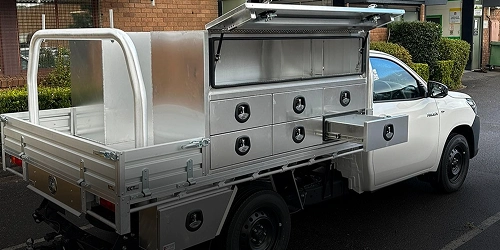
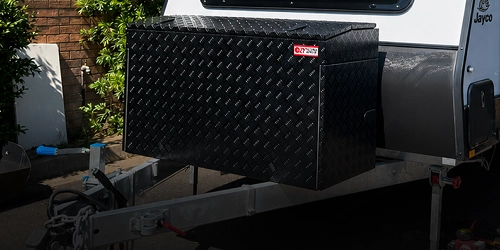
Some tray tents are installed directly on the vehicle’s bed, while others require a combination with your toolbox. Among the best ones to use is the popular caravan drawbar toolbox, but other tool boxes may also work for you if you make a great combination. To know which is best for your vehicle – read the tent’s specifications.
Tip 2: Prepare Your UTE and Toolbox
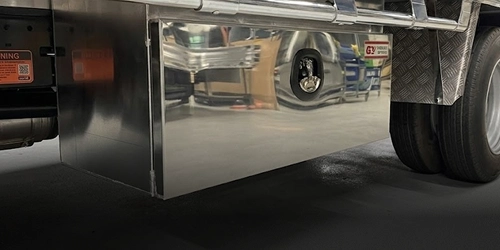
First, ensure you have the right toolbox before starting the installation process. If you do not, you may not be eligible for it, and your work will be futile. After choosing the right combination of tent and toolbox, you can start with the installation process.
Tip 3: Measure and Plan the Layout
The tent always comes as a packed option that you must unfold while using. The dimensions are drastically different, so you must know what they are and what the place would look like when you use it. Measure the area, plan your activities, and be sure you have enough room for everything.
Tip 4: Gather Tools and Hardware
If all calculations seem right, it’s time to mount your tent on top of your toolbox. Most tents come with their own tools and hardware needed for the job. See what’s inside and prepare for the job. This is not the simplest of tasks, so if you’re unsure how to do it, you should always look for the pros and ask them to do it.
Tip 5: Mark and Align Mounting Points
Read the manual for instructions and see where to drill the holes and what parts go where. Most tents will have metal or aluminium hardware attached to the body of the vehicle or the tent. You can attach the tent to anything. You’re not bound to specific boxes or the bed of the UTE. You can do it on top of a trailer drawbar toolbox, the roof rack of the vehicle, or other locations.
Tip 6: Secure the Tent Properly
After drilling the holes, it’s time to secure the tent. Place the screws inside, and ensure everything’s fixed perfectly. If it seems like it’s moving just a millimetre, then the job is not done right. Go back and check for flaws. You must have the tent perfectly secured.
Tip 7: Test the Tent Setup
When you finish the job, try the entire setting. Open the tent and find out if everything works as it should. See how much space it will take and whether something’s in the way. Additionally, find out if you can use the toolbox uninterrupted while using the tent.
Tip 8: Perform Final Safety Checks
When you do all this, take your UTE for a spin around the block. Your vehicle must not have any issues while you’re driving. Heading to nature means you must drive long distances, and this is not possible if the tent and the toolbox are not secured correctly.
Safety Tips for Installing a Roof Top Tent on UTE Tray
Safety should guide every decision during installation. Confirm your vehicle’s load limits and avoid exceeding manufacturer specifications. Maintain correct static weight allowances and consider how added mass influences braking and handling. Ensure all components are securely fastened and inspected regularly. Avoid shortcuts. Work methodically and never rush drilling or alignment tasks. A properly installed system supports safe driving across varied Australian landscapes. When safety remains the priority, your camping setup becomes a dependable extension of your vehicle rather than a liability.
Maintaining Your UTE Tray Tent
Ongoing maintenance protects your investment. Clean mounting surfaces regularly, especially after dusty or coastal trips, to keep components easier to clean and free from corrosion. Inspect brackets and bolts after each journey. Check seals and fabric for wear, particularly if exposed to heavy rain or strong sun. A lightweight structure still requires consistent attention. Keeping hardware tight and surfaces protected ensures longevity. Regular inspections prevent small faults from escalating into major repairs, allowing your setup to remain reliable season after season.
Ready for Your Next Adventure
Adventures in nature are fantastic. The chance to breathe fresh air and enjoy the sounds of the great outdoors is an unmatched experience. However, if you want to enjoy it properly, install the right tent on your UTE.
With the tips and tricks above, you should do it without problems. First, find the right tent and learn how to mount it on your vehicle. Then start working, drill the holes, attach the tent, and take it for a test drive. If everything works, you can start exploring and enjoy peaceful nights with your new sleeping setup.
FAQs
Can I install a rooftop tent on any UTE tray?
Not every tray is immediately suitable. You must confirm structural strength, load rating and mounting compatibility before attempting installation. Some trays require reinforcement brackets or additional support rails. Always review manufacturer specifications and ensure your vehicle’s load capacity and weight limits align with the tent design before proceeding.
How much weight can a UTE tray tent support?
Weight tolerance depends on both the tent’s design and your vehicle’s specifications. Static weight capacity is typically higher than dynamic driving limits, but both must be respected. Always check the vehicle’s load capacity and rear axle limitations. Exceeding recommended weight figures can compromise safety and suspension performance.
Can I leave the rooftop tent mounted while driving?
Yes, most systems are designed to remain mounted during travel, provided installation is completed correctly. Ensure all hardware is tightened securely and inspect bolts regularly. Long-distance travel, vibration and rough terrain can loosen fittings over time. Routine checks ensure the setup remains safe and roadworthy.
Can I use my UTE tray while the tent is installed?
In most cases, yes. Proper planning allows access to storage areas and toolboxes even with the tent fitted. The key lies in thoughtful placement during installation. Consider opening mechanisms and ensure clearance around mounting hardware so daily functionality is not compromised.
Are rooftop tents safe in strong winds?
Quality tents are engineered for stability, but extreme conditions require caution. Always deploy on level ground and use stabilising supports where provided. Secure ladder bases and check fastenings before sleeping. If wind becomes severe, it is wise to reassess positioning or pack down for safety.
Author: Dean Peechiari Date Posted: 16 April 2024